
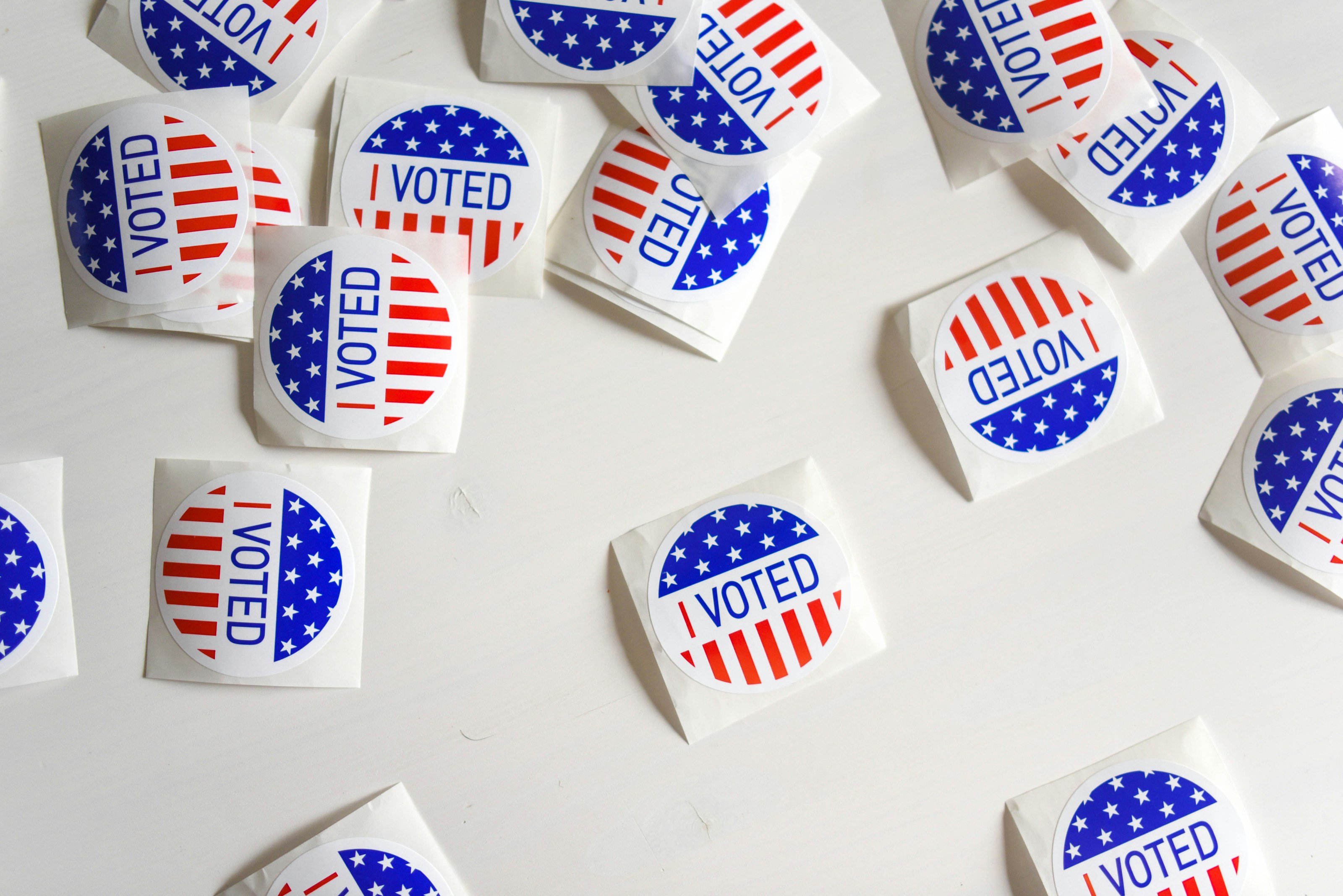
A government spreadsheet is not a verdict. Put a voter’s name in the wrong column, though, and the distinction can become painfully practical.
NPR’s October 20 reporting describes Los Angeles County’s preliminary review of 200 records from the federal list of roughly 20,000 suspected noncitizen registrants. Some records indicated U.S. birth. The review does not establish everyone’s citizenship; it raises questions about treating the list as settled evidence. DOJ says California must independently verify eligibility. Its October 15 complaint sets out its allegations and requested intervention. A complaint is one side’s case, not a court’s finding.
The federal government has a legitimate interest in lawful elections. That interest should make it more demanding about its own evidence. A process that mistakes suspicion for a conclusion can damage the very confidence it is supposed to protect. Accuracy cannot be something officials promise to discover after imposing the consequence.
Consider the difference between opening an investigation and placing the burden of an investigation on a voter. The first asks an agency to establish facts. The second can require an ordinary person to navigate records, deadlines and conflicting offices to defend something the government has questioned. Those are different allocations of power, even when both are described as verification.
California’s secretary of state said on October 14 that DOJ had demanded action within 48 hours without supplying the list to her office. That account is the state’s position. It is also a reason to ask a concrete management question: what would a careful investigation actually require, and who is responsible for each step?
The answer should include a documented matching method, a way to resolve conflicting records, a clear notice explaining a challenge, and a workable route to correction. These are standards this column argues for, not a claim that any particular voter has already been denied them. An institution asking the public to trust its results should be able to explain how it discovers when it is wrong.
There is a counterargument worth taking seriously. Waiting for perfect information could leave an actual violation unaddressed. But perfect information is not the only alternative to an untested match. Officials can investigate specific evidence, identify its limits, and explain the grounds for any proposed action. Urgency should sharpen that work rather than excuse it.
The same scrutiny belongs on California. State officials should explain their review and correct demonstrated mistakes. Defending voters does not require pretending registration systems cannot contain errors. It requires refusing to let an error become an automatic penalty without a sound factual basis.
The public deserves both an accurate roll and an accountable way to challenge it. The hardest part of election administration is often the unglamorous work between a dramatic accusation and a defensible decision. That is precisely where the government should show its work.
Sources & further reading
wuky.org · Read the sourcejustice.gov · Read the sourcesos.ca.gov · Read the sourceThe conversation
DOJ’s California voter list needs proof before ballots are set aside.
Loading the conversation…