
The morning’s developments put institutions under different kinds of scrutiny: the evidence behind a federal ballot challenge, the housing infrastructure around two HBCUs, and the technology that promises to speed up construction work. Elsewhere, basketball is back and a major musical anniversary has produced something beyond another commemorative package. Here is what is established, and what remains a question, on October 21.
California’s ballot dispute turns to the records
NPR reported October 20 that Los Angeles County officials examined a sample of 200 records from DOJ’s roughly 20,000-name list of suspected noncitizen registrants. Some records indicated U.S. birth; the county called its review preliminary. DOJ maintains California must verify eligibility. The dispute concerns the reliability and handling of the list, not a finding that everyone listed voted illegally. Nor does a sample resolve every person’s status. The immediate question is what evidence will support any action affecting a particular ballot. Readers should distinguish an allegation in litigation from an established determination of ineligibility.
More room near Morehouse and Spelman
The Den at Eight50 West is planned to supply 793 beds in 305 apartment-style units for Morehouse and Spelman students, with occupancy expected in fall 2028. Development adviser Brailsford & Dunlavey describes the project’s bond financing and planned facilities. A groundbreaking ceremony took place October 15, according to developer Radnor. Construction and a ceremony are milestones, not available rooms: current students should not treat the projected opening as a present housing option. As the project advances, published lease terms and total living costs will be more useful to families than renderings alone.
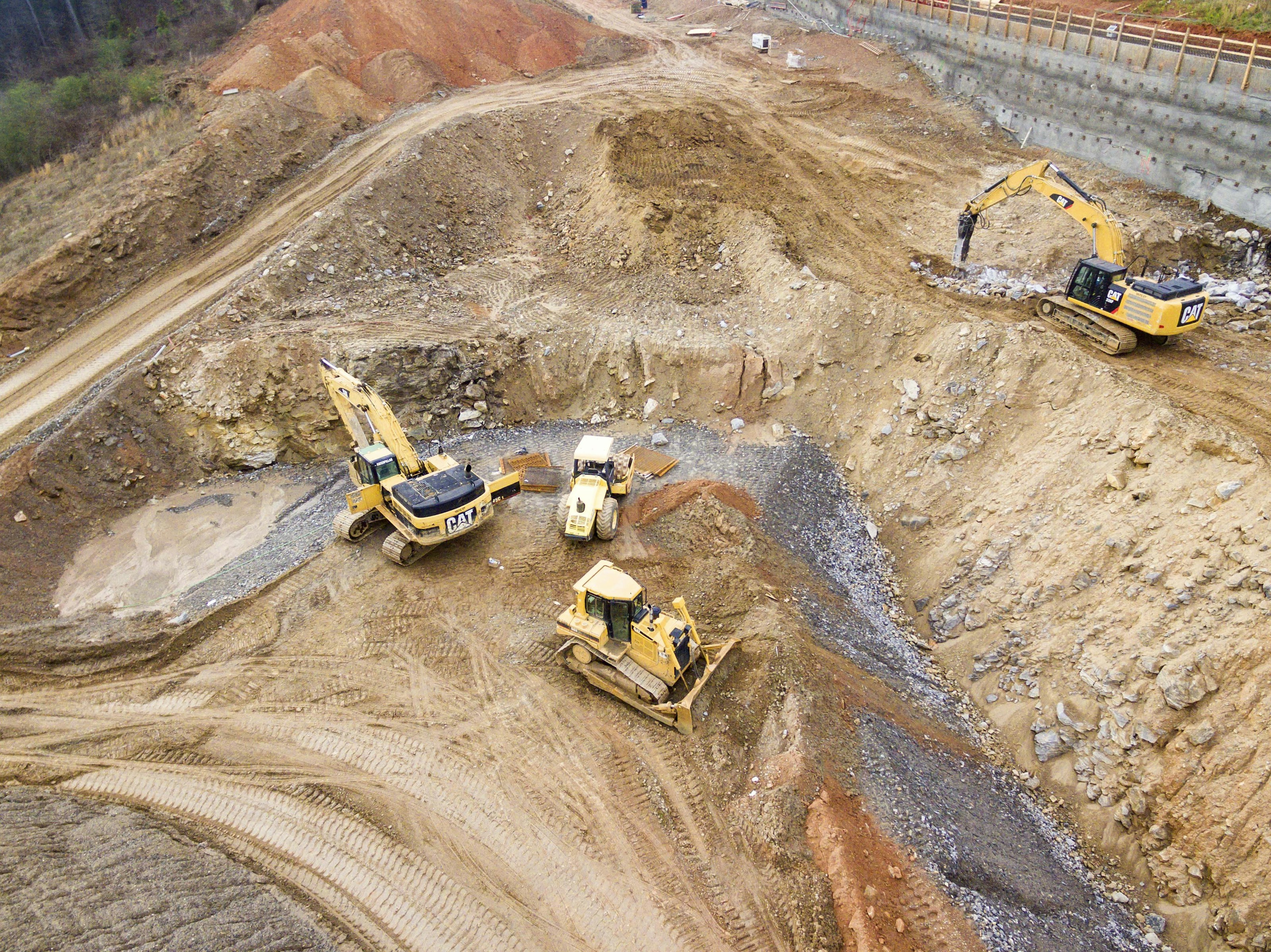
Construction AI attracts another investment
TechCrunch reported October 21 that Mach9 raised a $34 million Series A co-led by First Round Capital and Bessemer Venture Partners after shifting from surveying hardware to AI CAD software. Its product turns captured site data into draft mapping work. Mach9’s own workflow retains human editing and quality control. That distinction matters for evaluating the announcement: funding measures investor commitment, while a customer’s finished, checked deliverable measures whether a tool does the job. Company claims about speed should be read as claims, not independent guarantees of savings on every project.
Basketball returns, with conclusions still on hold
The Knicks raised their championship banner October 20, but Philadelphia won the opener. AP’s October 21 account highlighted the Sixers’ distribution of shots among LeBron James and his teammates. Detroit beat Boston 121–113 after trailing by 22. Those are opening-night results, not a forecast of the standings. The pleasure of a new season is that yesterday’s celebrations and today’s competition can coexist; a banner records an achievement even as the next schedule starts asking fresh questions.
Stevie Wonder’s anniversary has new material
NPR’s October 20 Fresh Air review revisits the four-song EP drawn from the original Songs in the Key of Life sessions. These are newly released archival performances, not newly recorded songs. The distinction gives listeners an honest starting point: the release expands access to an earlier creative period without changing when the music was made. Nia’s accompanying column considers how an archive can invite discovery without turning an artist into a museum exhibit.
Across these stories, the useful next step is to follow the underlying record: a court filing, a housing agreement, a checked design, a season of games, or an accurately documented recording. Announcements begin a story. They do not settle its outcome.
Sources & further reading
wuky.org · Read the sourcebdconnect.com · Read the sourceradnorproperty.com · Read the sourcetechcrunch.com · Read the sourcestamfordadvocate.com · Read the sourcenpr.org · Read the sourceThe conversation
California challenges DOJ’s voter list. Atlanta builds more HBCU housing.
Loading the conversation…