
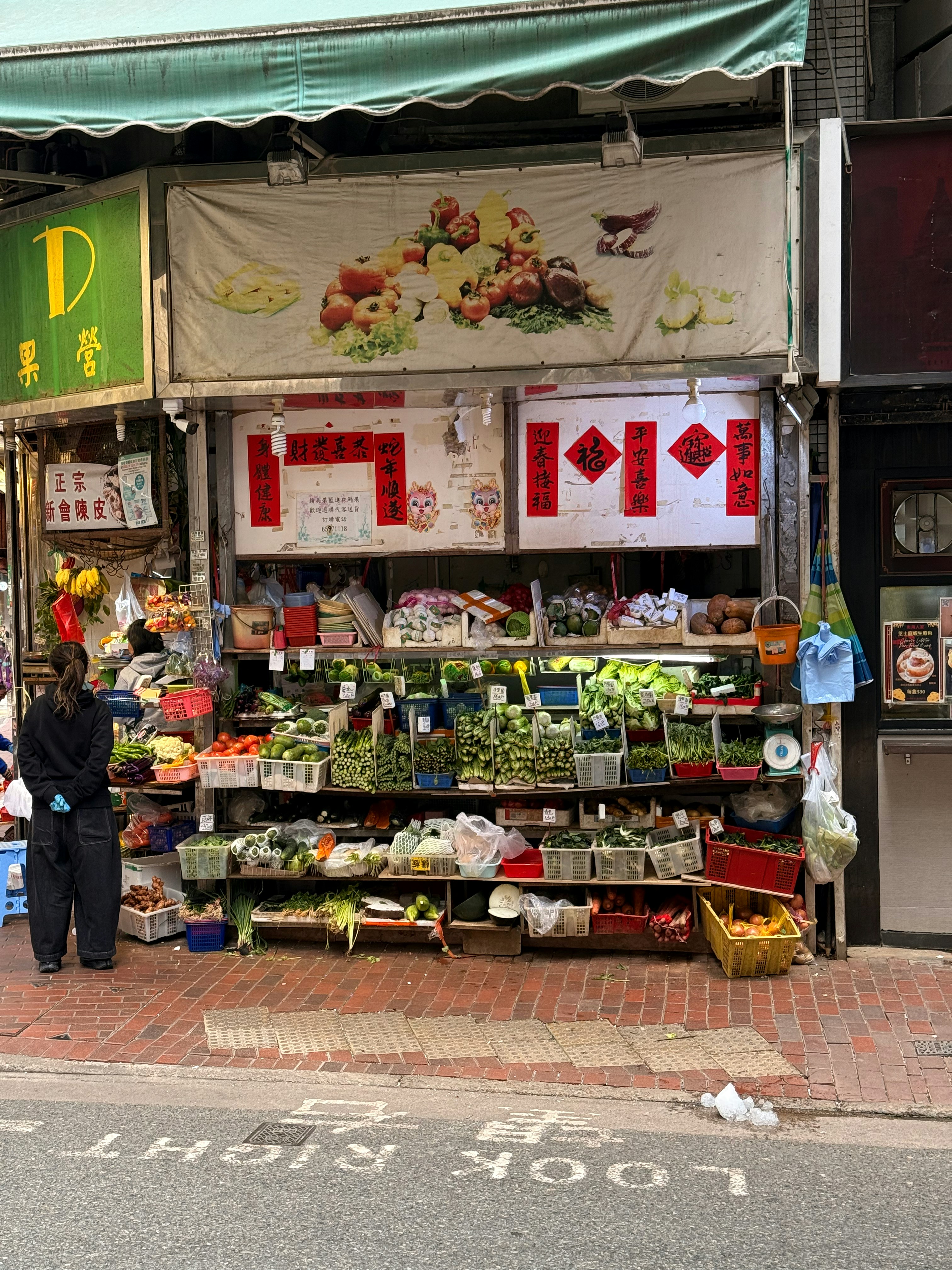
The most interesting question in an acquisition is often what the customer can still choose after it closes.
Instacart is the current test case. An October 23 Bloomberg report, published by The Spokesman Review and citing The Information, describes preliminary sale conversations with Uber and DoorDash. The October 24 follow up from 24/7 Wall St. reports that Uber stepped away. A completed transaction has not been established by those reports. There is no reason to build a confident business forecast on an agreement that has not been announced.
There is, however, a useful commercial question to examine now. What would make a combined business more valuable to the stores that depend on it?
The obvious argument for a larger delivery operation is efficiency. In principle, more orders in a service area could allow better use of available delivery capacity. A retailer might benefit from access to a broader audience, more reliable service or technology it would struggle to develop alone. Those are potential benefits, not results demonstrated by these sale reports.
The opposing risk deserves equal attention. A store might gain reach while becoming more dependent on a platform whose fees, promotion rules or customer access it cannot control. A service can be convenient for the shopper and still create a difficult negotiating position for the merchant.
That tension is where an entrepreneur should spend time.
Before treating any platform partnership as growth, I would want to understand the relationship it creates. Who handles a complaint? What information helps the store serve a returning customer? Can the merchant maintain its own ordering channel? What happens to the economics when a promotional period ends? The answers belong in an operating plan, not a presentation about the size of the market.
A simplified illustration makes the distinction visible. Suppose an independent store receives $100 from an order and incurs $75 in product costs, $15 in service charges and $5 in additional handling. That leaves $5 before other expenses and taxes. If the service charge rises to $20 while everything else stays constant, that contribution falls to zero. These are invented teaching figures, not Instacart’s fees or a reported retailer’s results.
The point is that a larger sales number can hide a weaker business. More orders help only if the remaining contribution and customer relationship justify the work.
A buyer could make a constructive case by showing merchants measurable improvements and giving them reasons to stay voluntarily. Regulators and contracts would have their own roles in any actual transaction. But commercial confidence should not depend entirely on the assumption that customers have nowhere else to go.
For now, the responsible position is to watch for a documented agreement and its terms. The opportunity is real enough to analyze without pretending a sale is finished. A delivery platform earns its place when the retailer’s business gets stronger alongside its own.
Sources & further reading
spokesman.com · Read the source247wallst.com · Read the sourceThe conversation
Instacart sale talk puts the retailer relationship on the negotiating table.
Loading the conversation…