
A company does not earn an exemption from public scrutiny by attaching artificial intelligence to its name. That is the accountability question beneath the October 30 ruling allowing the NAACP’s Clean Air Act case against X.AI Corp. and MZX Tech LLC to proceed.
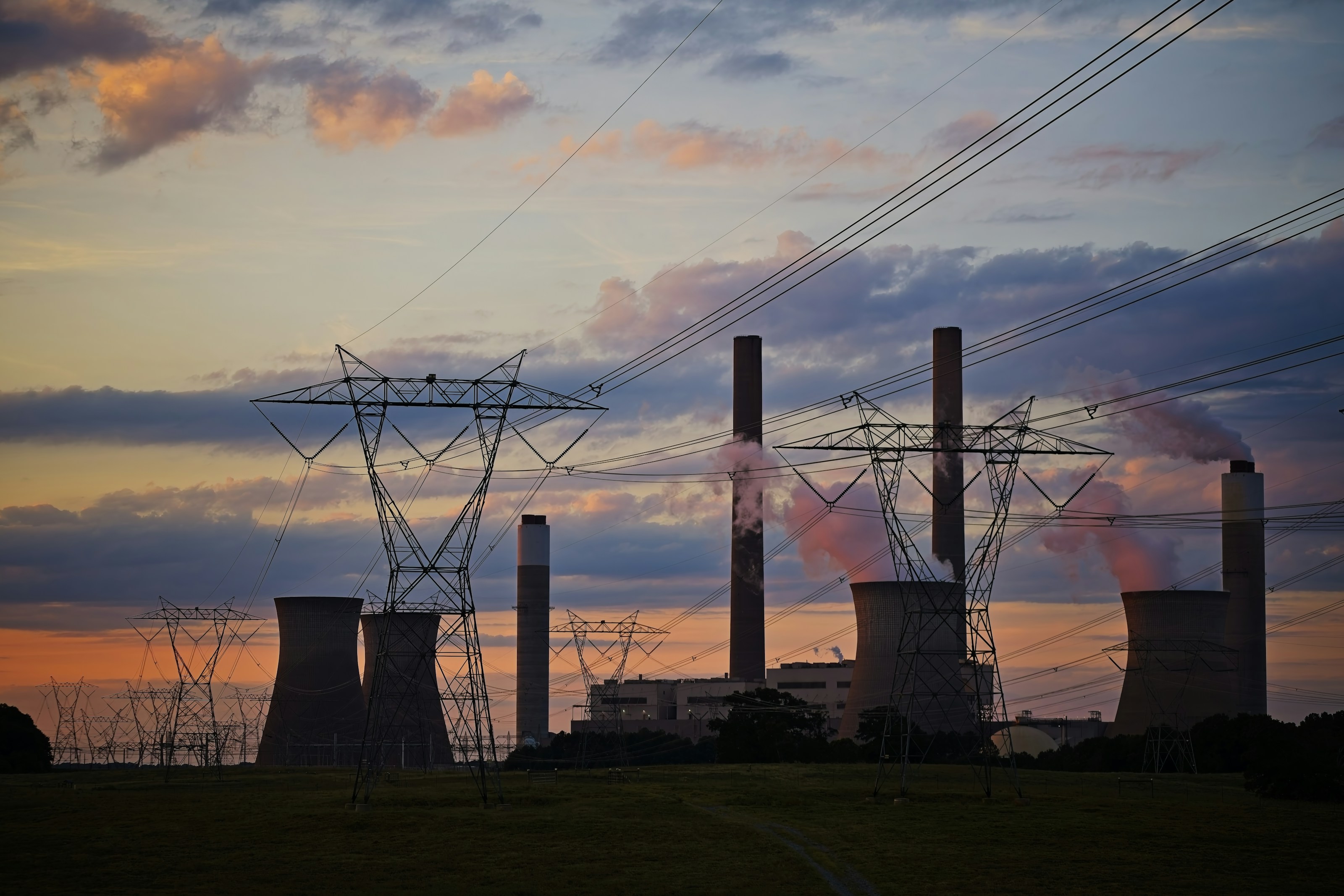
Judge Debra M. Brown denied the defendants’ motion to dismiss. The dispute concerns a gas plant in Southaven, Mississippi. Litigation counsel describes it as supporting the Colossus 2 data center operation in Memphis. Keeping those locations straight matters. A regional technology project does not stop affecting people at a city or state boundary.
The order rejected the arguments offered to end the claims at this stage, including the claimed mobile source exception and objections to the citizen suit mechanism. It did not decide every factual dispute, award damages or announce a final verdict against the companies. The plaintiffs still have a case to pursue. Readers deserve the procedural result without a victory inflated beyond what the judge decided.
But a procedural ruling can still carry real public significance. People affected by an industrial project need somewhere to test whether its operation meets the law. Their ability to ask that question should not depend on owning the infrastructure, working for the company or being able to outspend it.
The easiest way to drain that principle of meaning is to turn every objection into a referendum on progress. Do you want investment or not? Do you support technology or not? Those are convenient questions for anyone who would rather avoid explaining a specific permit, an operating condition or the basis for an exemption.
I want the specific explanation. What is operating? Which approval covers it? What evidence supports the claimed exception? What must change if the company’s position fails? Those questions allow a community to evaluate a project rather than simply applaud its announcement.
The companies are entitled to defend their position, and government should administer clear rules rather than improvise them after an investment. That is also why a public record matters. A predictable system requires more than speed for the applicant. It requires a way to challenge whether the rules are being followed.
The NAACP and its counsel describe serious pollution concerns. Those are their allegations and arguments, not findings I can substitute for the remaining proceedings. The court’s order is strong enough on its own: the claims can continue.
For public officials, the standard should be straightforward. Explain the approvals and the responsibilities before asking residents to absorb a project’s consequences. For investors, unresolved operating requirements belong in the assessment of risk. For neighbors, the promise of a new industry does not erase the right to question how that industry operates.
The public is part of this transaction. It should remain part of the argument.
Sources & further reading
docs.justia.com · Read the sourceselc.org · Read the sourceearthjustice.org · Read the sourceThe conversation
The xAI ruling keeps the public in the argument over AI infrastructure.
Loading the conversation…